الاثنين، 30 ديسمبر 2013

Banishing Body Odor

Body odor can occur when sweat mixes with the bacteria that make their home on your skin. Avoiding it starts with staying clean and dry.

Sweating is healthy; it cools your body. But if you’ve ever sweated through a workout, a hot summer day, or a stressful situation, you’re probably no stranger to body odor. Perspiration itself — made up mostly of water and salt — is practically odorless, but when it mixes with the bacteria that live on your skin, the result is body odor.
You may think of your armpits as ground zero for body odor, but other areas of the body also produce odor. These include your feet, upper thighs, and groin area.
Lifestyle Changes Keep Body Odor at Bay 
Keeping body odor away is often as easy as following some basic rules of hygiene:
  • Bathe at least once a day — more often if you’re sweating heavily. Showering or taking a bath reduces the amount of bacteria on your skin; it also washes sweat down the drain.
  • Use an antibacterial soap. This will help keep bacteria in check, which will control odor.
  • Dry yourself carefully. Pay particular attention to the skin between your toes and to areas where you sweat heavily. When skin is dry, it’s harder for bacteria to breed.
  • Shave your underarms regularly. This will help keep bacteria from building up there.
  • Use a deodorant and/or an antiperspirant. Deodorants are alcohol-based and cover up the odor caused by bacteria, but they don’t stop sweating. Antiperspirants contain aluminum-based chemicals that temporarily reduce sweating. Many antiperspirants also contain a deodorant.
  • Wear clothes made with natural fibers. Cotton, wool, and silk all let your skin breathe. For workouts, you may feel more comfortable wearing moisture-wicking fabrics.
  • Wash your clothes often — especially workout clothes that you sweat in. In summer, when you’re more likely to perspire, change your clothes frequently.
  • Enlist the help of your shoes and socks. To keep your feet dry, wear socks made of moisture-absorbing materials like cotton and wool and change them often. It can also help to use sweat-absorbing foot powders. To allow your feet to breathe, choose shoes made of leather. If your feet sweat heavily, let your shoes dry completely by not wearing the same pair two days in a row. Better yet, go barefoot when you can.
  • Watch what you eat. Sometimes eating spicy or fatty foods can lead to body odor.
Treating Body Odor
If you perspire heavily enough to disrupt your normal routine, you may have a condition called hyperhidrosis. Consult your doctor. Sometimes a prescription antiperspirant can help; if you try one, keep in mind that it’s most effective when applied at bedtime to the most sweat-prone areas of your body.
You should also call your doctor if you start having night sweats for no reason or if you suddenly sweat much more or much less than usual. And if you notice a change in your body odor, it could signal certain medical conditions that require treatment.
Fortunately, home remedies are all it takes to banish normal body odor. Keep yourself and your clothing clean and dry, and you’ll smell like a rose.

Help for Hangnails

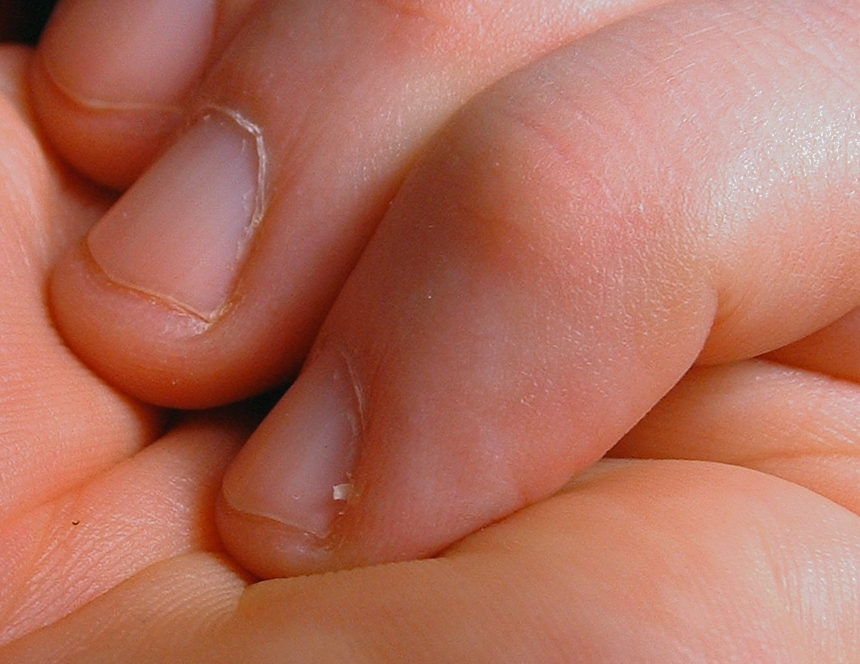
Hangnails don't just make fingernails look unkempt; if they're torn, they can get infected. Proper care of your hands and nails can help prevent these nail problems, and simple solutions can help them heal.

Hangnails are those little pieces of skin that come loose from the base or side of a fingernail. They're annoying because they tend to get snagged on your clothing, pieces of paper, your hair - just about anything you touch. Not only does this hurt, it can make the hangnails tear and bleed, which can lead to an infection in the tissue surrounding the nail.
You can place most of the blame for these nail problems on dry cuticles (cuticles are the area of the skin around the nails). When cuticles become dry, they start to pull away from the nail. Hangnails are also more likely to be a problem if you bite your fingernails or cuticles.

Preventing Hangnails

If you're prone to hangnails, try these tips for keeping them at bay:
  • Soak your fingertips in warm water with bath oil for 15 minutes a day.
  • Apply hand cream to your hands, taking extra time to rub it into your fingernails, cuticles, and the skin around your nails. Do this at least twice a day, after washing your hands or bathing.
  • Try using cuticle oil on your fingernails and cuticles. Made specifically for keeping cuticle skin from drying out, this type of moisturizer is available at drugstores and beauty supply stores. Some people also swear by rubbing olive oil or other vegetables oils into their cuticles.
  • Deep moisturize before you go to bed. Massage a heavy cream or petroleum jelly into your nails and cuticles at night; for extra TLC, don cotton gloves before drifting off to dreamland.
  • Manicure with care. Instead of cutting your cuticles, rub moisturizer into them, then use a cuticle tool to gently push them back.
  • Fight the urge to pick at or bite your fingernails or cuticles. These habits can cause cuts as well as hangnails. Try putting your hands in your pockets instead of in your mouth.

Rx for Hangnails

You can't always avoid hangnails, but with the right remedies, you can usually help them heal quickly. Start by trimming a hangnail as soon as you notice it. First, soak the affected fingertip in water for five minutes to soften the tissue. Then clip the hangnail short, using a pair of sharp manicure scissors or nail clippers that you've swabbed with alcohol. Some people put vitamin E oil on hangnails to speed healing.
You can help protect them from infection by wearing rubber gloves when doing dishes or using cleaning products. If the skin around a hangnail becomes red or swollen, wash it carefully with soap and water, apply an over-the-counter antibiotic cream, and cover it with a bandage. If the area is still red and tender after a few days or if redness spreads, call your doctor. You may need prescription antibiotics.
Want beautiful hands that are hangnail free? Keep them clean and moisturized right down to your fingertips, and they'll stay soft, supple, and healthy-looking.


Getting Rid of Puffy Eyes

Puffiness and dark bags under your eyes makes you look worn out. Discover some effective treatments for reducing puffy, tired-looking eyes.

Dark, droopy bags under your eyes can make you look dramatically older and exhausted — even if you’re not. Fortunately, there are some effective home remedies and successful medical treatments that can help minimize puffy eyes and dark bags. Here’s how to play down that unpleasant puffiness:
Causes of Puffiness and Dark Bags Under Your Eyes 
Most people find that there’s more than one cause for their puffy or tired-looking eyes. Here are some of the most common:
Aging. As you get older, the skin and muscles around your eyes begin to weaken, making it easier for the fatty tissue beneath the skin to redistribute and for the skin to sag.
Allergies. Itchy, swollen eyes are a common allergic reaction.
Fluid retention. Hormonal shifts, a lack of sleep
, or even just eating salty foods can cause you to retain fluid, leading to puffy eyes.
Heredity. If your parents had puffiness under their eyes, you may be more prone to developing the same condition.
Home Remedies for Puffy Eyes or Dark Shadows Many home treatments can temporarily minimize puffiness and dark areas under your eyes. Here are a few ideas to try:
Use makeup to create an illusion. Use a very small amount of a lighter-colored concealer on the puffy, baggy under-eye area to camouflage the dark shadows and make the puffiness look flatter.
Use cold compresses. A little cold can go a long way toward reducing swelling around your eyes. You can use cold packs or ice packs, cold slices of cucumbers, teaspoons that have been chilled in the freezer, or tea bags
 that have been soaked in ice water. 
Get good rest. Try to get enough sleep (about seven to eight hours), and sleep with your head elevated to keep the fluid from collecting under your eyes. 
Keep your allergies in check. Avoid allergy triggers and take antihistamines to help prevent your body from reacting to allergens. 
Avoid salty food. Stick with foods that won’t cause puffiness.
Medical Treatments for Worn-Out or Puffy Eyes
A dermatologist or plastic surgeon can provide a more permanent fix to a puffy eye problem. Consult with your doctor if you want to try one of these options:
Dermatological treatments. Laser treatments and chemical peels can help tighten up the skin and make the dark areas under your eyes look lighter.
Wrinkle fillers. A plastic surgeon can inject fillers like Restylane and Juvederm right under the under-eye hollow to even out the area. The effect usually lasts for about eight months.
An eyelift. A doctor can tighten up the under-eye area by melting away the fat with an electric probe, then pulling the skin tight. It’s an outpatient surgery that can be done relatively quickly — and provides effects that last for decades.


Crow's Feet: Prevention and Treatment

Crow's feet — the wrinkly imprints that appear along the corners of your eyes — are often one of first signs of aging. Learn what you can do to prevent them and how you can minimize their appearance with home or medical treatments.

n adolescence and young adulthood, crow's feet — also known as squint lines or worry lines — usually aren't a concern. That's because youthful skin has a lot of elastic fibers called elastin and a protective protein called collagen.
Over time, however, skin loses elastin and collagen, and the inevitable result is wrinkles. For many women, the appearance of crow's feet — radiating lines that form along the corners of the eyes — is the first distressing sign of aging.
Fortunately, there’s a lot you can do to prevent these unwanted bird tracks from forming, and to minimize their appearance with home or medical treatments.
The Causes of Crow's Feet
You're more likely to develop crow's feet if you:
  • Spend a lot of time in the sun.
  • Smoke cigarettes.
Not only do both of these factors prematurely age the skin, but they force you to squint to avoid either excessive sunlight or irritating tobacco fumes, a muscle motion that promotes the formation of crow's feet.
Other factors associated with crow's feet include a family history of early wrinkling, dehydration, and even sleeping on your face.
Prevention of Crow's Feet
Most dermatologists agree that you're unlikely to develop crow's feet if you don't tan your face, smoke, or squint. So, starting early in life, the best prevention strategies include:
  • Applying a broad-spectrum sunscreen before going outdoors.
  • Avoiding tanning salons.
  • Wearing sunglasses and hats.
  • Either not starting smoking, or quitting smoking.
  • Drinking an adequate amount of fluid.
  • Using skin moisturizers. Because skin around the eyes contains very few oil glands, it's especially likely to be dry.
  • Adopting other healthy lifestyle habits. A diet rich in fruits, vegetables, and whole grains can improve skin elasticity. Technicolor fruits such as cranberries, blueberries, strawberries, and raspberries contain high concentrations of antioxidants that may protect skin. In addition, regular exercise helps relieve stress, which promotes the formation of crow's feet and other wrinkles.
Home Remedies for Crow's Feet
Over-the-counter eye creams tout their ability to reduce fine lines and facial puffiness. Although these products are unlikely to make crow's feet disappear, some of them may minimize their appearance. Look for products containing either glycolic acid or tretinoin (Retin-A), which encourage wrinkled cells to slough off and promote formation of smoother skin. Some dermatologists also recommend eye creams that contain topical anti-inflammatory agents such as alpha lipoic acid, DMAE, and vitamin C ester.
Medical Treatments for Crow's Feet
If crow's feet are cramping your style, your doctor or dermatologist may recommend procedures such as:
  • Chemical peels, which remove the skin's outer layer and promote the formation of new skin.
  • Wrinkle fillers, which include injections of temporary, absorbable fillers such as collagen, hyaluronic acid gel, calcium hydroxylapatite, and poly-L-lactic acid; and the permanent, non-absorbable filler PMMA (polymethylmethacrylate beads).
  • Laser resurfacing , usually with a non-ablative or non-wounding carbon-dioxide laser that stimulates collagen growth and tightens underlying skin.
  • Botox. A favorite of seemingly ageless celebrities, this therapy relies on injections of purified botulinum toxin type A or B to temporarily paralyze the muscles that cause squinting and diminish the appearance of crow's feet.
  • Plastic surgery . Severe crow's feet — and other signs of aging — may be corrected with procedures such as a face-lift.
Bear in mind that all of these procedures have potential side effects, may be only temporarily effective, and are usually not covered by insurance because they're considered cosmetic.
There's no question that crow's feet are an unwanted sign of aging. By making some common-sense changes to your lifestyle, you may prevent the formation of these all-too-common tracks of your tears. If they do appear, you may be able to minimize their effect on your looks with over-the-counter remedies or medical treatments.

Get Rid of a Huge Pimple — Fast

If a monster pimple has reared its ugly head overnight, you don't have to grin and bear it. Here, find out how to shrink that pimple pronto.

Q: I’m going to a reunion in a couple of weeks and I’m really stressed. What if I get a huge pimple the day before I have to see everyone?
A: Stress and/or hormone fluctuations can make your skin produce more oil, leading to clogged pores and a big breakout, even if you take good care of your complexion. When a patient is able to come to my office, here’s what I do to get rid of a monster eruption:
If there's a whitehead, I use a sharp, sterile blade to safely open it. Then I use an instrument called a comedone extractor to gently drain the pus and oil from the pimple. This relieves the pressure and pain and helps the skin heal faster.
If there's a tender, "underground" lump, it's probably a cyst, which I dissolve by injecting a tiny drop of diluted cortisone solution. The cortisone reduces the inflammation in the skin the way a cortisone shot into a swollen knee reduces the redness and swelling. This usually works within a day but must be done carefully, by a doctor who's experienced in injecting pimples; otherwise it can leave a dent in your skin that can last for up to a year.
Can't make it to the doctor's office? Apply a cold washcloth and try dabbing Visine on the area to help reduce the swelling and redness. Avoid hot compresses, which will make a cyst larger and redder. If you're tempted to squeeze the blemish yourself, be gentle, and stop if nothing comes out after the first try. Squeezing too hard can push the pus deeper, creating a large boil and/or leaving a scab, which, besides being hard to hide, can result in a scar.

10 Tips for Healthy Aging Eyes

As we grow older, we experience weaker vision. In addition, our risk for vision problems that can affect our lifestyle and independence increases.
Vision problems such as glaucoma, cataracts, age-related macular degeneration, and diabetic retinopathy are common among older adults. You can’t prevent your eyes from aging, but you can slow age-related damage by taking care of your eye health.
10 Tips for Preserving Eye Health
The following tips can help you take care of your eyes and preserve clear vision:
1. Get regular eye exams. Starting at age 40, get annual eye exams and have your eye doctor look for signs of glaucoma and retinal damage, even if you're a healthy adult with no vision problems. People who have certain medical conditions that increase the risk of eye disorders, such as diabetes, or those who have vision problems should see an eye care professional earlier than 40. Depending on your risk factors and the initial findings of your exam, ask your eye doctor to recommend the appropriate screening intervals that will help maintain clear vision.
2. Wear shades. The sun’s ultraviolet (UV) rays can damage aging eyes just as they can damage skin, says Richard G. Shugarman, MD, an ophthalmologist in private practice in West Palm Beach, Fla., and a volunteer professor of ophthalmology at Bascom Palmer Eye Institute at the University of Miami’s Miller School of Medicine. UV rays can cause cataracts and possibly accelerate macular degeneration. The best way to protect eyes from the sun is with sunglasses that have UV filters. “Sunglasses should be large and wrap around a little, although if you need a prescription you can’t have too much wraparound without distorting the images,” says Dr. Shugarman. Lenses of any color will do as long as they have UV filters.
3. Don a hat. Wear a wide-brimmed hat when you're outdoors for any length of time. Sunglasses help, but a hat will give you extra protection. “If you’re gardening or playing golf or a round of tennis, you want to keep the sunlight off your face and eyes, and protect your skin from melanomas,” says Shugarman. The eyelid is a common spot for a melanoma to develop.
4. Enjoy the fruits of the garden. Choose a diet rich in fruits and vegetables. While definitive evidence is lacking, some studies suggest that sufficient intake of the antioxidants lutein and zeaxanthin may help lower the risk of eye conditions that can accompany aging, such as cataracts and macular degeneration, Shugarman says. Lutein and zeaxanthin are found in fruits and vegetables with yellow and orange pigments, such as corn, squash, carrots, and citrus fruits. They are also found in dark green leafy vegetables, like kale and spinach.
5. Take a multivitamin. Vitamins A (beta-carotene), C, and E and the mineral zinc have been shown to promote eye health. “Fifty years ago, doctors were convinced that if people ate a normal, balanced diet, they didn’t need supplements,” Shugarman says. “But today’s soil is not as rich in nutrients as it used to be, and some of it is over-farmed. We’re getting shortchanged even when we try to eat properly.” When choosing a multivitamin, be sure to get one that meets all the requirements for your age and stage of life.
6. Stop smoking. Smoking can promote eye diseases because it reduces blood flow to the eyes and can increase the amount of toxic substances (like tar and nicotine) your eyes absorb. If you’re at risk for diabetic retinopathy or macular degeneration, exposure to toxic substances in cigarettes can elevate that risk.
7. Shed some light. While you won’t permanently hurt your eyes by reading or working in a dimly lit area, you can cause temporary eyestrain, which can lead to headaches and fatigue. Protect your eyes by making sure your workspace is brightly lit.
8. Take a break. Another way to prevent eyestrain is to take frequent breaks from the computer screen or reading materials. About every 10 minutes, look up or away for 10 seconds, so your eyes get a rest. If you’re watching television, give your eyes a break and look away every half hour or so.
9. Get sufficient sleep. Being overtired can increase eyestrain. If you get enough sleep, your eyes will be refreshed along with the rest of your body.
10. Don’t ignore warning signs. Eye doctors can treat many potentially serious vision problems if they are caught early enough. See your doctor if you experience blurred or double vision, if your vision appears cloudy, or if you have eye pain or are bothered by the glare of lights. All are signs that you could be developing vision problems that can be treated by your eye doctor.
You can’t stop time, but you can take care of your eyes so that they remain healthy as you age. Having clear vision is possible at any age.

The Best Foods for Your Skin


What you put on your plate can impact your skin as much as any cream. Find out what a dermatologist says you should eat for healthy, clear skin.

If you want a smoother, clearer complexion, Jessica Wu, M.D., assistant clinical professor of dermatology at USC Medical School and a dermatologist in Los Angeles, encourages you to toss all six of these fortifying Feed Your Face foods into your grocery cart.
Tomatoes
Definitely one of your skin’s best defenses, tomatoes contain a powerful antioxidant called lycopene. While studies have not yet been entirely conclusive, many suggest that lycopene may be responsible for helping to protect the skin against sun damage.
Lycopene is best absorbed by the body when it has been cooked or processed, so eating tomato sauce, tomato paste, and ketchup is likely to be more effective than just eating raw tomatoes when trying to safeguard your skin against harmful UV rays. Lycopene is also fat soluble, which means that it is absorbed more easily when consumed with fat, such as eggs, avocado, and olive oil.
Red Meat
Sometimes it gets a bad rap, and even though red meat does contain saturated fat and cholesterol, lean red meat is one of Dr. Wu’s favorite Feed Your Face foods because it’s so high in protein and zinc. In fact, recent studies suggest that red meat may be even better at treating acne than antibiotics.
To produce collagen, your skin needs the amino acids glycine and proline, and the protein in red meat has the highest concentration of these two amino acids. The mineral zinc is also crucial for collagen production. “It’s an essential cofactor,” says Dr. Wu. “Without enough zinc, it’s difficult for the skin to make collagen. Plus, zinc is a natural anti-inflammatory.” And vegetarians don’t need to miss out. Dr. Wu adds that high concentrations of glycine can also be found in seafood, proline in cottage cheese and cabbage, and zinc in lentils, kidney beans, and raw oysters.
Green Tea
It’s no secret that green tea is an antioxidant powerhouse. Its strong anti-inflammatory and anti-aging effects are attributed to its high concentration of catechin compounds. Studies have shown that green tea can be used both orally and topically to help protect the skin from sunburns and UV-associated skin cancers. Research also suggests that drinking one cup of green tea twice a day over the course of six months may actually reverse sun damage and significantly improve any problems you have with redness and broken capillary veins.
Green Beans
As long as we’re going green, let’s talk about how these low-calorie beans can help you grow thicker hair and healthier nails. Green beans are a star Feed Your Face food because they’re one of the richest sources of silicon — not to be confused with silicone, which is found in bad lip jobs and breast implants! The USDA has not yet established recommended daily intakes (RDIs) of silicon, but 10 mg per day seems to be adequate for strengthening hair and nails, according to recent studies. Dr. Wu recommends choosing organic green beans, since they retain more silicon from the soil. Don’t like green beans? You can also get your silicon fix from volcanic mineral waters such as Volvic, which contains 14.5 mg per liter.
Walnuts
Usually it’s salmon that’s synonymous with omega-3 fatty acids, but did you know that walnuts are also incredibly high in omega-3s? If you’re concerned with redness, swelling, blotchiness, acne breakouts, or wrinkles, walnuts may be your new best friend. Plant-based omega-3s, such as the ones found in walnuts, are naturally anti-inflammatory; they can help seal moisture into your skin and protect it from chemicals and other toxins. In particular, the alpha-linolenic acid (ALA) in these omega-3s can work to combat the dryness associated with aging that leads to wrinkles. But don’t stop with walnuts; you can also increase the amount of plant-based omega-3s in your diet by eating almonds, olive oil, and flaxseed, too.
Yogurt
Not only is it the main ingredient in the best smoothies, yogurt is a natural probiotic, which means that it helps replenish the “good” bacteria in your body and keeps yeast in check. This can come in handy if you have gastrointestinal issues or you’re prone to yeast infections, but what does it have to do with feeding your face? Well, according to Dr. Wu, yogurt is an excellent Feed Your Face food for dealing with acne breakouts, eczema, and even dandruff. Just be sure to choose a low-fat and low-sugar yogurt, since sugar can aggravate inflammation. And if you think your breakouts are related to dairy, Dr. Wu suggests skipping the yogurt and going straight for a probiotic supplement instead.